Material & Freight Ropeways
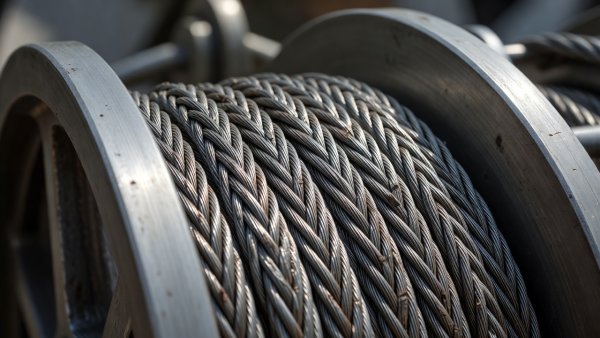
Before aerial cable cars transported human commuters, they were conceived in 17th-century fortifications and 19th-century quarries as pure freight haulage machinery. In extreme environments where trucks cannot traverse permafrost or 60-degree rock scree, industrial material ropeways move limestone, copper concentrates, timber, and building materials at fractions of the energy cost of wheeled transport.
The Principle of Gravity Haulage
Many material ropeways operating from mountaintop quarries downward to valley processing plants are entirely self-powering. In physics terms, they function as regenerative gravity systems:
Specialized Material Cableway Types
Modern engineering classifies high-capacity freight ropeways into distinct operational topologies:
- Tricable Heavy-Lift Systems (3S): Employing two massive stationary track ropes for sheer weight distribution and a third traction cable, capable of ferrying 30-ton single pieces of industrial hardware across 3-kilometer spans.
- Continuous Monocable Mineral Transporters: Continuous loops of open steel buckets circulating at speeds of 4 meters per second, transporting up to 600 metric tons of crushed ore per hour without human intervention.
- High-Altitude Military & Border Supply Cradles: Deployed in regions like the Karakoram and the high Andes, where small 500-kg winches ferry water purification tablets, fuel drums, and dry provisions to isolated ridge garrisons otherwise accessible only by high-risk helicopter sorties.
Structural Steel Cable Metallurgy
Track ropes are rarely simple braided wires. High-performance freight spans utilize "locked-coil" steel ropes. The outer perimeter consists of interlocking Z-shaped wire strands that form a seamless, water-tight cylindrical surface. If an internal wire breaks under cyclic fatigue, it cannot unravel or project outward, allowing the carriage wheels to roll unimpeded while maintenance crews schedule non-destructive electromagnetic testing.