Bolivia: Mi Teleférico Mass Transit
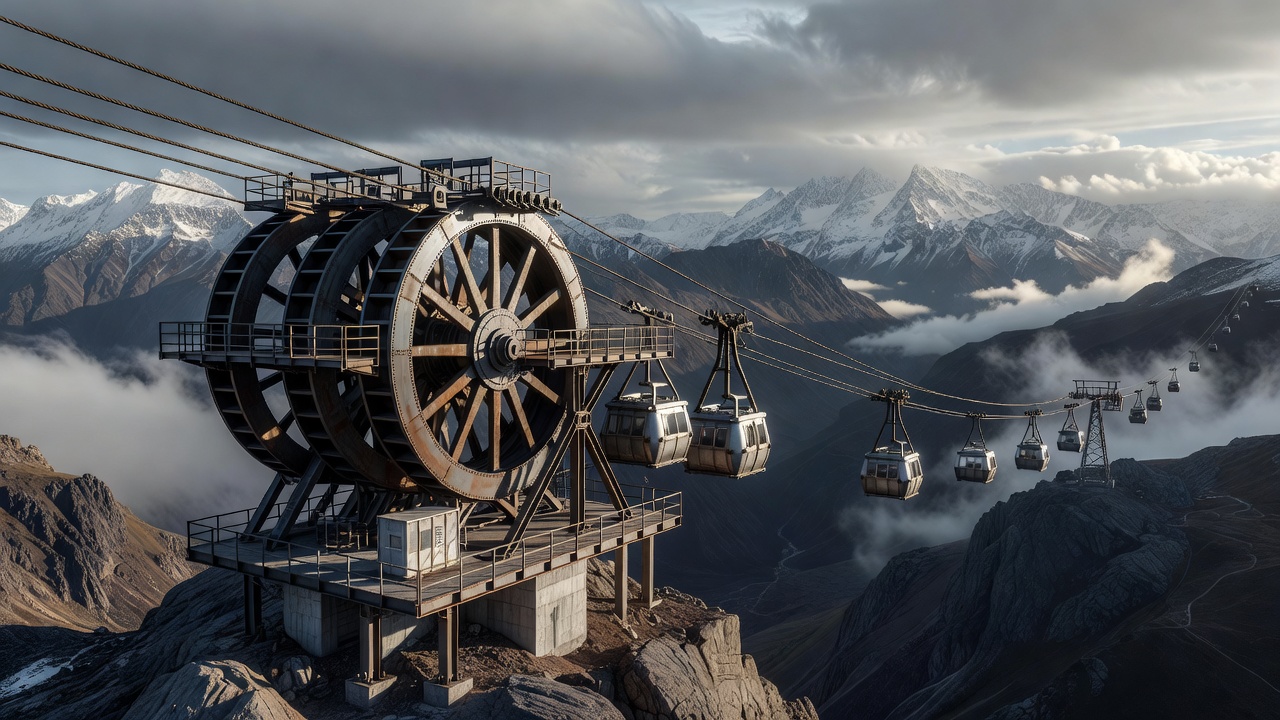
The urban basin of La Paz rests inside a colossal natural amphitheater 3,640 meters high, while the sprawling indigenous metropolis of El Alto stands on the edge of the Altiplano flatlands at 4,090 meters. Between them drops a sheer, eroding escarpment of clay and gravel that historically funneled hundreds of thousands of commuters into gridlocked minibuses navigating fragile hairpin highways.
Urban Topography as an Alpine Barrier
While cable cars were invented for remote alpine valleys, Bolivia turned this technology inward to bridge isolated cliff-side neighborhoods that ground transit simply could not service. Commuting between lower residential ravines and the Altiplano plateau once took upwards of 90 minutes; the installation of Mi Teleférico reduced the transit window to twelve uninterrupted minutes.
Technical Configuration: Detachable Monocable (MDG)
Manufactured primarily by Austrian firm Doppelmayr, the network features over 30 kilometers of lines divided across ten interconnected routes. Unlike the heavy bi-cable tramway of Gimmelwald, Mi Teleférico uses continuous-movement Monocable Detachable Gondolas (MDG):
- A single continuous steel loop provides both suspension support and propulsion.
- Cabins detach smoothly from the high-speed haul rope upon entering terminals, decelerating to a gentle crawl so elder commuters and market vendors with laden sacks can step safely aboard.
- Overhead electrical grip sensors ensure each carriage clamp locks onto the cable with hundreds of kilonewtons of spring pressure before launching over the canyon abyss.
Solar Augmentation and High-Altitude Solar Radiation
At 4,000 meters altitude, atmospheric filtering of solar radiation drops by 30%. Taking advantage of this, each cabin is equipped with roof-mounted photovoltaic cells powering continuous LED cabin illumination, two-way passenger intercoms, and GPS telemetric tracking directly back to central control.